
Scientific Breakthrough at Nerja Cave Sheds Light on Mineral Origins
Researchers in Nerja Cave have uncovered key evidence explaining how dolomite forms at low temperatures, cementing the landmark's international scientific significance.
A Geological Mystery Solved Underground
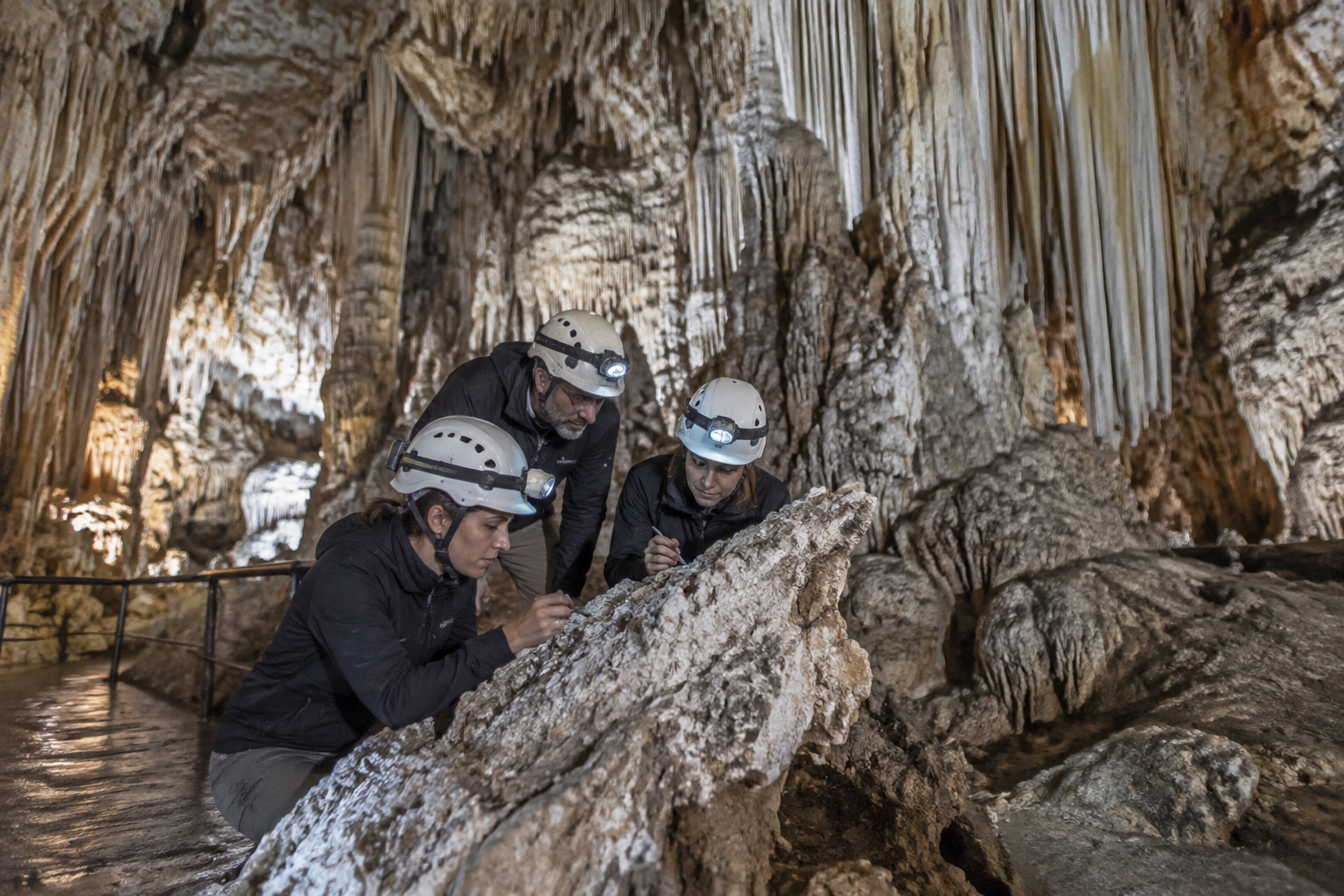
The Nerja Cave (*Cueva de Nerja*) has long been celebrated as one of southern Spain's crowning natural wonders. Beyond its dramatic stalactites and prehistoric significance, researchers working inside the cavern have now uncovered a critical scientific clue regarding how dolomite forms at low temperatures.
For decades, geologists have studied the exact conditions under which dolomite—a common carbonate mineral—crystallises when ambient temperatures remain cool. The underground chambers of Nerja have provided researchers with a natural laboratory, revealing fresh insights into mineral formation processes within subterranean environments. This landmark finding highlights the cave not merely as a breathtaking tourist attraction, but as a site of vital international geological research.
What It Means for Visitors to Nerja
Walking through the vast caverns of the Cueva de Nerja, visitors are surrounded by millions of years of Earth's history. While tourists admire the immense cathedral-like halls and towering columns, active science is happening in the very same rock formations.
The revelation that the cave holds answers to complex mineralogical questions adds a whole new dimension to any visit. Observing the mineral crusts, stalagmites, and rock walls becomes even more fascinating knowing that these formations are helping global scientists solve geological puzzles that have lingered for generations.
Planning Your Visit to the Caves
The Nerja Cave is located just outside the main town, near the neighbouring village of Maro. Whether you are deeply interested in geology or simply looking to marvel at one of Andalusia's greatest natural sights, the subterranean complex offers an easy and memorable excursion.
Public transport links run regularly between central Nerja and the cave entrance, and parking is available on site for those driving. The interior of the cave remains at a steady, cool temperature throughout the year, making it a comfortable destination in any season. Exploring the accessible public galleries gives travelers a direct look at the unique mineral environment that continues to make scientific headlines around the world.
Good to Know
- Location: Just outside Nerja, adjacent to the village of Maro in the Axarquía region.
- Getting there: Accessible by local bus from Nerja town centre, taxi, car, or via the tourist road train (*Cueva Tren*).
- Environment: The cave maintains a cool subterranean microclimate year-round; comfortable walking shoes are recommended for the paths and steps.
- Significance: In addition to its famous prehistoric history and tourist galleries, the cave is an active site of international scientific research into subterranean mineral processes.
Sources and references
Plan your visit
Partner links – Nerja Escapes may earn a commission if you book.
Selected content
Recommended for you
Sponsored by Great Native
News
Read more
Evenemang
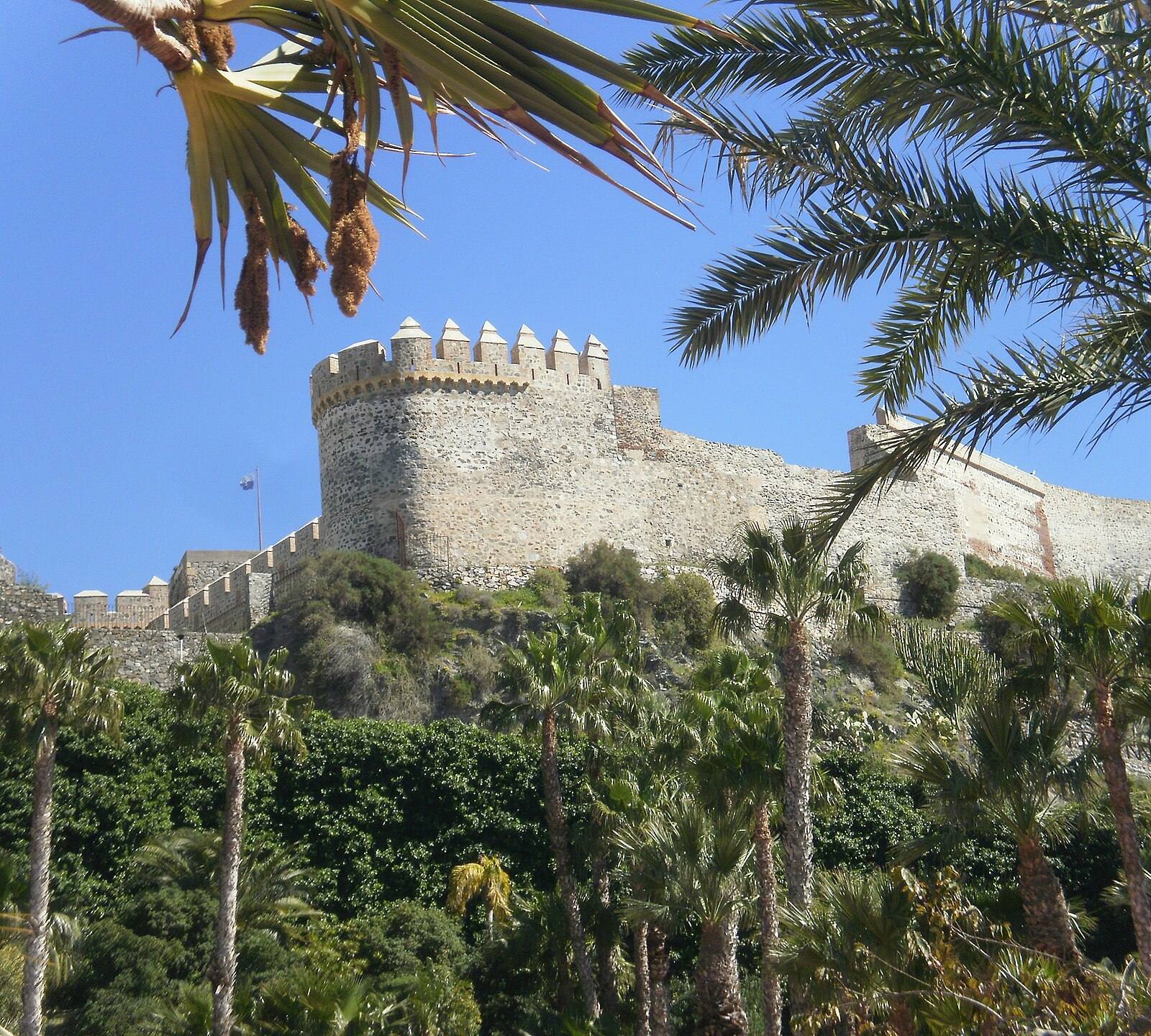
Almuñécar Marks 500th Anniversary with Autumn Cultural Programme
Almuñécar is celebrating its 500th anniversary this autumn with a packed cultural programme throughout October and November, featuring exhibitions, heritage trails, and a historical parade.
Oct 18, 2026

Väder & natur
Autumn Planting Initiative Brings 2,400 Trees to the Axarquía
A new provincial reforestation campaign will plant 2,400 native trees and shrubs across Axarquía and Ronda during October and November, with free community sessions.
Oct 18, 2026

Resor
Ryanair Adds Six European Routes and 92,000 Seats at Málaga Airport
Ryanair expands its winter 2026/2027 schedule at Málaga Airport with six new European routes and 92,000 additional seats, improving off-season access to Nerja and the Axarquía.
Oct 17, 2026