

Prehistoric Cave Handprint Mystery Solved on the Costa del Sol
Archaeologists on the Costa del Sol have deciphered the origins of prehistoric handprints on cave walls, revealing an unexpected reaction with bat guano left by both adults and children.
Archaeologists working along the Costa del Sol have unlocked a long-standing prehistoric puzzle. For decades, distinct handprints, palm marks, and etched lines found deep inside coastal Andalusian cave systems puzzled researchers trying to figure out exactly how early human visitors produced these lasting visual impressions.
Now, recent investigations have revealed the unusual chemical and physical process behind these archaic markings: prehistoric communities actively engaged with natural deposits on the cavern surfaces, creating handprints that reacted directly with bat guano coating the rock walls.
A Natural Reaction on Ancient Stone
Rather than relying purely on imported mineral pigments like ochre or charcoal, early cave visitors utilized what was already present in the cave environment. The studies demonstrate that prehistoric groups placed their hands directly against cave walls where thick layers of organic material, specifically bat guano, had accumulated over time.
The interaction between human touch, scraping gestures, and the acidic natural layer etched distinctive silhouettes and impressions into the subterranean stone. Over millennia, these marks preserved an indelible record of human presence along the southern Spanish coastline.
Traces of an Entire Prehistoric Community
One of the most fascinating aspects of the research is who made these markings. The palm prints and etched marks do not belong to a single subgroup of cave occupants. By measuring palm spans and finger lengths, researchers established that these marks were created by an entire cross-section of early communities, ranging from small children to grown adults.
This suggests that deep cave visits on the Costa del Sol were not exclusively reserved for solitary hunters or specialized artisans. Instead, entering these subterranean realms appears to have been a collective activity, leaving physical traces of multi-generational groups who inhabited coastal Andalusia thousands of years ago.
What It Means for Visitors to the Costa del Sol
For travelers visiting Nerja and the wider Axarquía region, these findings enrich an already extraordinary subterranean heritage. Caves throughout this stretch of Andalusia have long been celebrated for their monumental geology and ancient human history.
Understanding that the cavern walls themselves were used interactively by ancient families adds a deeply human layer to visiting the region's famous caverns. It offers modern explorers a closer connection to the everyday people who walked these same coastal landscapes at the dawn of history.
Good to Know
- Location: Prehistoric cave systems across coastal Andalusia, along the Costa del Sol.
- The Discovery: Confirmation that prehistoric hand and palm marks were produced through interaction with cave wall deposits, including bat guano.
- Who Made Them: Measurements confirm the markings were left by varied community members, including both young children and adults.
- Travel Tip: When exploring the celebrated show caves of the Axarquía and Malaga coast, always stick to designated pathways to safeguard fragile rock surfaces and microclimates.
Sources and references
Plan your visit
Partner links – Nerja Escapes may earn a commission if you book.
Selected content
Recommended for you
Sponsored by Great Native
News
Read more
Evenemang
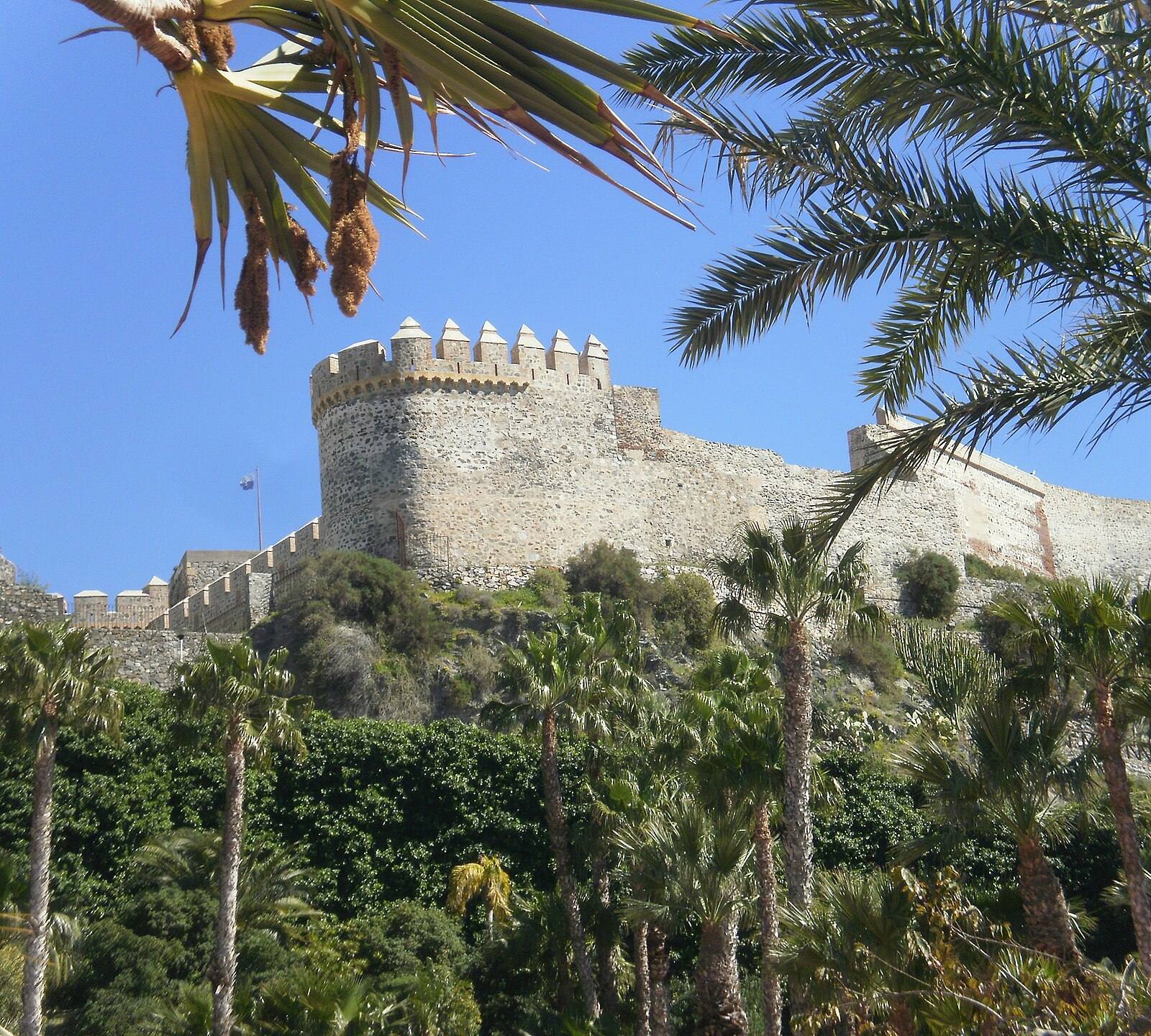
Almuñécar Marks 500th Anniversary with Autumn Cultural Programme
Almuñécar is celebrating its 500th anniversary this autumn with a packed cultural programme throughout October and November, featuring exhibitions, heritage trails, and a historical parade.
Oct 18, 2026

Väder & natur
Autumn Planting Initiative Brings 2,400 Trees to the Axarquía
A new provincial reforestation campaign will plant 2,400 native trees and shrubs across Axarquía and Ronda during October and November, with free community sessions.
Oct 18, 2026
Resor
Ryanair Adds Six European Routes and 92,000 Seats at Málaga Airport
Ryanair expands its winter 2026/2027 schedule at Málaga Airport with six new European routes and 92,000 additional seats, improving off-season access to Nerja and the Axarquía.
Oct 17, 2026