
Nerja Cave Breakthrough Helps Solve Geology's 'Dolomite Problem'
Scientists from Granada, Málaga, and the CSIC have discovered natural precursor phases to dolomite inside the Nerja Cave, unlocking a longstanding geological mystery.
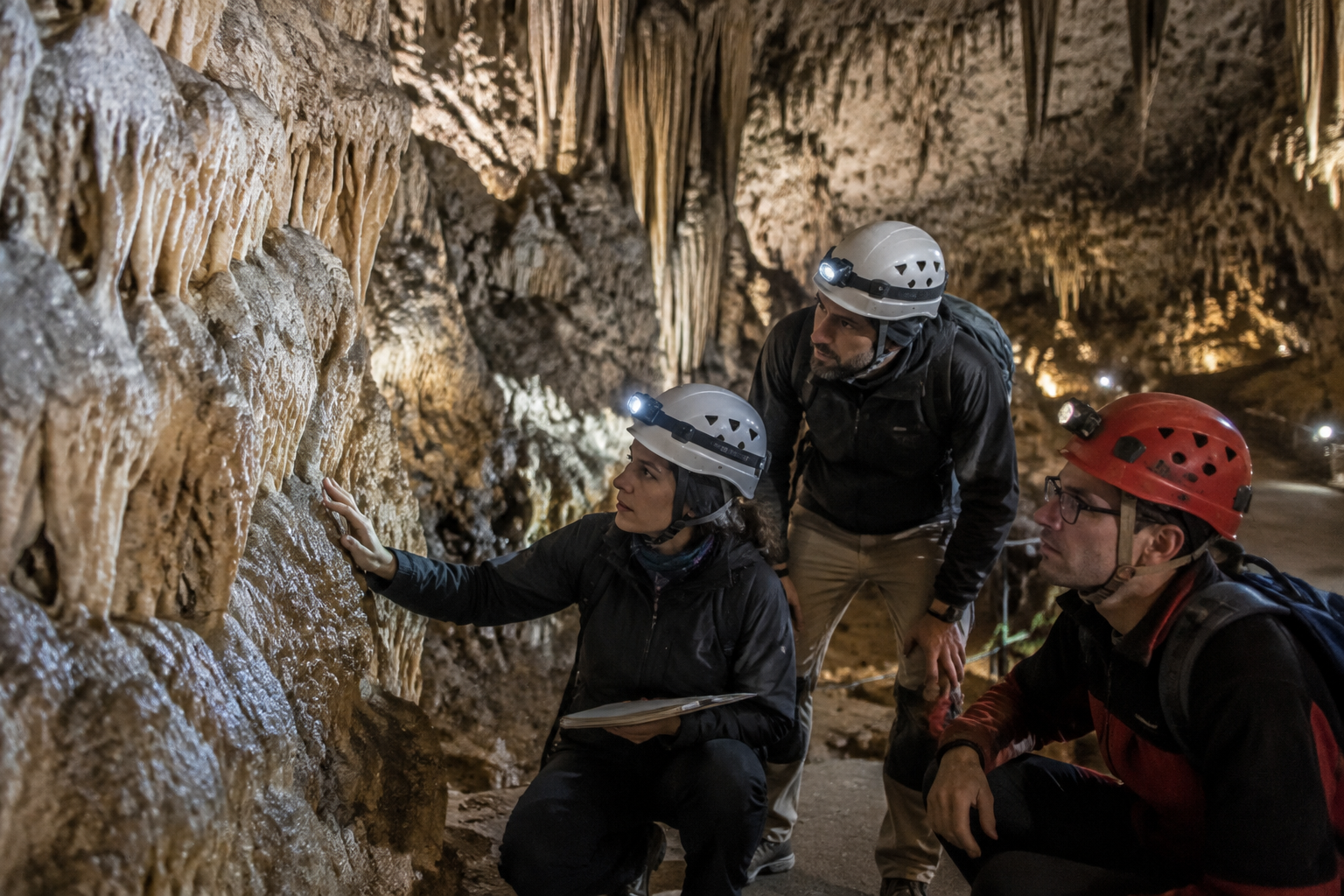
The Cueva de Nerja has long captured the imagination of travellers from across the globe. Famous for its sweeping chambers, towering stalactites, and ancient history, this underground marvel just outside the town centre is now making global headlines for a very different reason. Scientists investigating its unique microclimate and mineral formations have uncovered a crucial piece of a scientific puzzle that has baffled geologists for generations.
Solving the 'Dolomite Problem'
In a collaborative study, researchers from the University of Granada, the Spanish National Research Council (CSIC), and the University of Malaga made an unexpected scientific breakthrough deep within the cave. Inside the cavern's protected mineral environments, they identified amorphous precursor phases to dolomite and magnesite.
Crucially, this marks the very first time these elusive precursor phases have ever been observed directly in nature. For decades, geologists have struggled with what is known as the "Dolomite Problem"—the enduring conundrum of why dolomite rock is vastly abundant in ancient geological strata throughout the Earth's crust, yet virtually impossible to observe forming naturally in modern surface conditions. The groundbreaking observations in Nerja offer researchers an indispensable real-world laboratory to finally decode how these minerals precipitate and crystallise naturally over time.
An Invaluable Natural Sanctuary
Beyond its fame as a premier visitor attraction, this milestone highlights the exceptional conservation value of the cave's subterranean interior. The subterranean environment of the Nerja Cave maintains stable temperature, moisture, and chemical conditions that allow microscopic and fragile natural processes to occur undisturbed.
For the Axarquía and the Costa del Sol, the study serves as a proud reminder that Nerja’s heritage extends far deeper than sun, sea, and scenic coastal strolls. Beneath the rocky foothills of the Sierra de Almijara lies a site of monumental scientific interest where Earth's geological mysteries are actively unravelling.
What This Means for Visitors
For holidaymakers planning a trip to Nerja, the news adds a whole new layer of wonder to a standard subterranean tour. Walking along the well-lit paths through the majestic show galleries, visitors can marvel not just at the sheer scale of the rock formations, but also at the active mineralogical wonders quietly developing in the shadows.
Reaching the cave is straightforward. Located near the coastal village of Maro, just a few kilometres east of central Nerja, it is easily accessible by car, local bus, or the popular tourist road train from town. Because the site is one of southern Spain's most popular attractions, booking entry tickets in advance online is always recommended.
Good to know
- Location: Cueva de Nerja, located near the village of Maro, just east of Nerja along the Axarquía coast.
- The discovery: Researchers from CSIC, the University of Granada, and the University of Malaga found amorphous precursor phases to dolomite and magnesite for the first time in natural conditions.
- Scientific importance: Provides vital clues to solving the long-debated "Dolomite Problem" in geology.
- Getting there: Accessible via the coastal road from Nerja by car, taxi, regular local bus service, or the Cueva Tren tourist shuttle.
- Visitor tips: Secure tickets online before arriving to guarantee your preferred visiting slot.
Sources and references
Plan your visit
Partner links – Nerja Escapes may earn a commission if you book.
Selected content
Recommended for you
Sponsored by Great Native
News
Read more
Evenemang
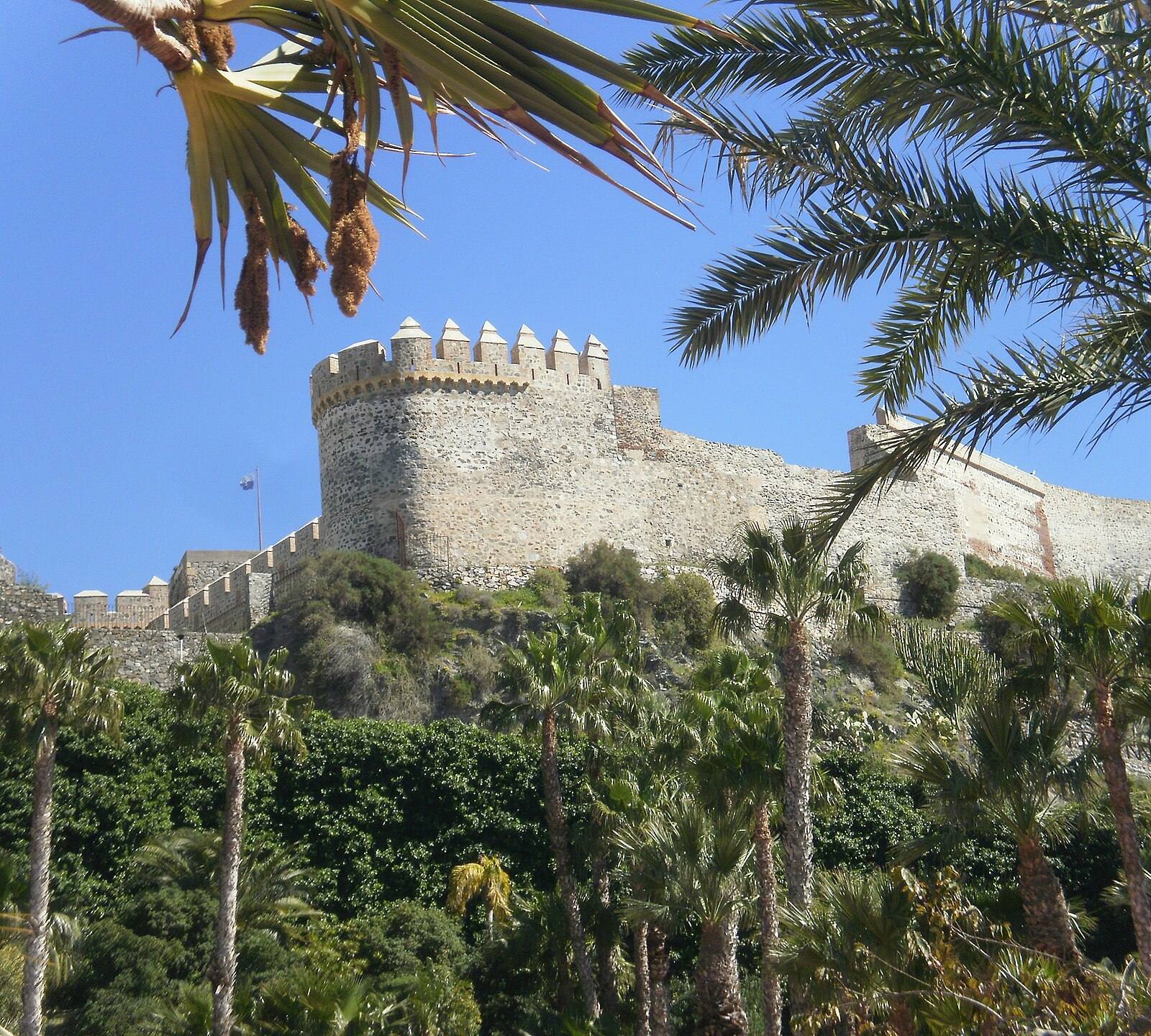
Almuñécar Marks 500th Anniversary with Autumn Cultural Programme
Almuñécar is celebrating its 500th anniversary this autumn with a packed cultural programme throughout October and November, featuring exhibitions, heritage trails, and a historical parade.
Oct 18, 2026

Väder & natur
Autumn Planting Initiative Brings 2,400 Trees to the Axarquía
A new provincial reforestation campaign will plant 2,400 native trees and shrubs across Axarquía and Ronda during October and November, with free community sessions.
Oct 18, 2026

Resor
Ryanair Adds Six European Routes and 92,000 Seats at Málaga Airport
Ryanair expands its winter 2026/2027 schedule at Málaga Airport with six new European routes and 92,000 additional seats, improving off-season access to Nerja and the Axarquía.
Oct 17, 2026