
Oldest Section of Málaga's Roman Theatre Set to Open
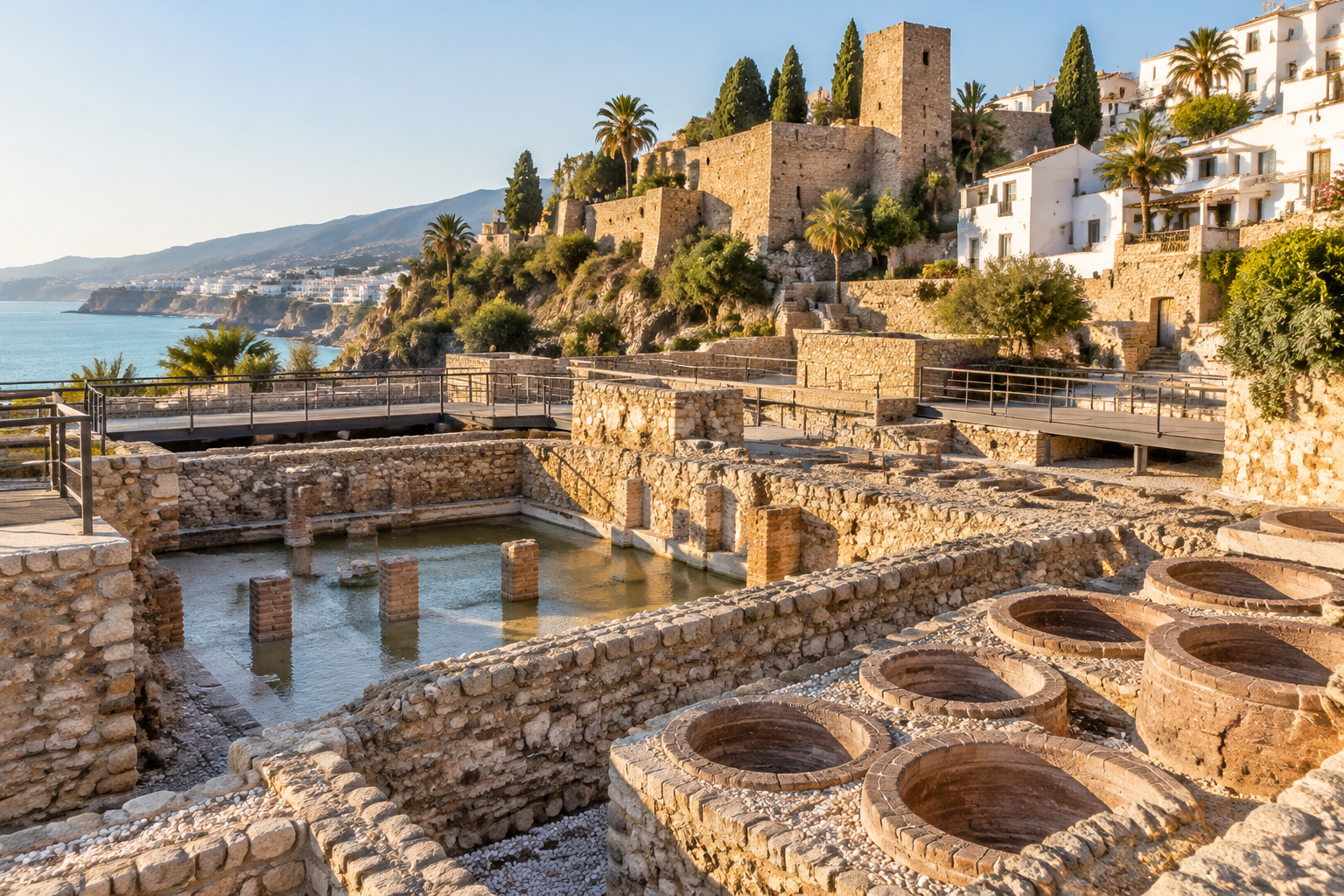
The oldest sector of Málaga's Roman Theatre, including ancient thermal baths and garum vats, is preparing to open to the public after years of delays.
The historic heart of Málaga is preparing to unveil an intriguing hidden chapter of its ancient past. The oldest section of the city's iconic Roman Theatre site, featuring thermal baths and ancient garum pools, will soon welcome visitors following a three-year delay.
After three previous tendering processes were declared void, the specialized company Tesela has now been awarded the contract to build new elevated visitor walkways. Once completed, this infrastructure will allow travelers and history buffs to walk directly through the archaeological ruins adjacent to the Alcazaba fortress, granting access to areas that have long remained closed off behind barriers.
Ancient Baths and Roman Garum Pools
While the semicircular tiers of Málaga's Roman Theatre (Teatro Romano) are already among the most photographed landmarks along Calle Alcazabilla, the earlier sectors tell an even broader tale of classical urban life. The newly accessible area contains remnants of thermal baths as well as processing vats once used to produce garum—the fermented fish sauce that was prized across the Roman empire as a culinary staple and exported from southern Hispania.
These complex archaeological layers, tucked right at the foot of the hill below the Moorish Alcazaba, highlight how Málaga evolved over centuries of shifting civilizations. Walking above the preserved ruins on purpose-built footbridges will give a vivid, up-close view of the daily routines and industries that powered the ancient port town.
A Perfect Day Trip from Nerja
For anyone staying in Nerja or exploring the wider Axarquía coast, Málaga city center makes an effortless day trip. Located approximately 50 kilometers west along the Mediterranean motorway (A-7), the capital is reachable in under an hour by car. Regular direct buses operated by ALSA also link Nerja’s central bus station with Málaga’s port and central terminal throughout the day.
Once you arrive in Málaga, Calle Alcazabilla is entirely pedestrianized and easy to reach on foot from the historic center. The Roman Theatre complex sits immediately next to the Alcazaba entrance and just a short stroll from the Picasso Museum, making it a natural stop on any walking tour of the old quarter.
The newly commissioned walkways by Tesela mark the final step in connecting visitors with these delicate structures without compromising their preservation. Keep an eye out for updated opening schedules during your next excursion into the city.
Good to know
- Location: Calle Alcazabilla, at the base of the Alcazaba fortress in central Málaga.
- What is opening: The oldest sector of the Roman Theatre site, featuring thermal baths and ancient garum vats.
- Project details: Handled by the company Tesela, which is building specialized walkways after earlier delays.
- Getting there from Nerja: Take the direct ALSA bus to Málaga (approx. 45–60 minutes) or drive via the A-7 coastal highway.
- Nearby highlights: The Alcazaba, Gibralfaro castle viewpoint, and the Picasso Museum are all within immediate walking distance.
Sources and references
Plan your visit
Partner links – Nerja Escapes may earn a commission if you book.
Selected content
Recommended for you
Sponsored by Great Native
News
Read more
Sevärdheter
Marine Safaris Launch Along Nerja and La Herradura Coastline
New marine safari boat tours guided by marine biologists have launched off Nerja and La Herradura, offering close yet respectful encounters with dolphins, sea turtles, and migrating whales.
Nov 10, 2026

Sevärdheter
Navy's Largest Warship 'Juan Carlos I' Welcomes Visitors at Málaga Port
The Spanish Navy's 231-metre flagship, 'Juan Carlos I', welcomes visitors aboard at Málaga Port this November weekend, making for an exciting day trip from Nerja.
Nov 8, 2026
Sevärdheter
Vélez-Málaga Launches New Archaeological Routes & Monument Guide
Vélez-Málaga introduces new walking itineraries and a dedicated heritage book exploring the Axarquía capital's rich archaeological and monumental history.
Nov 5, 2026